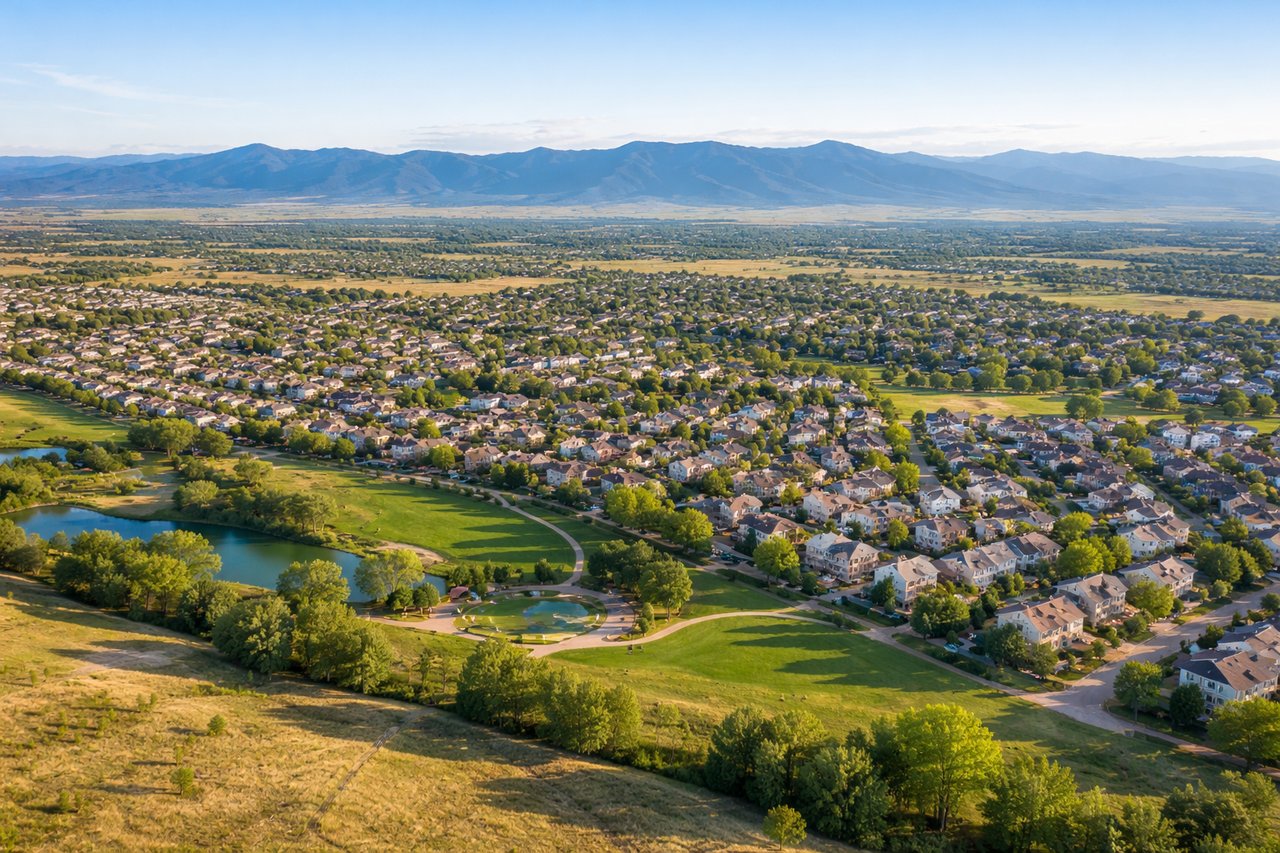
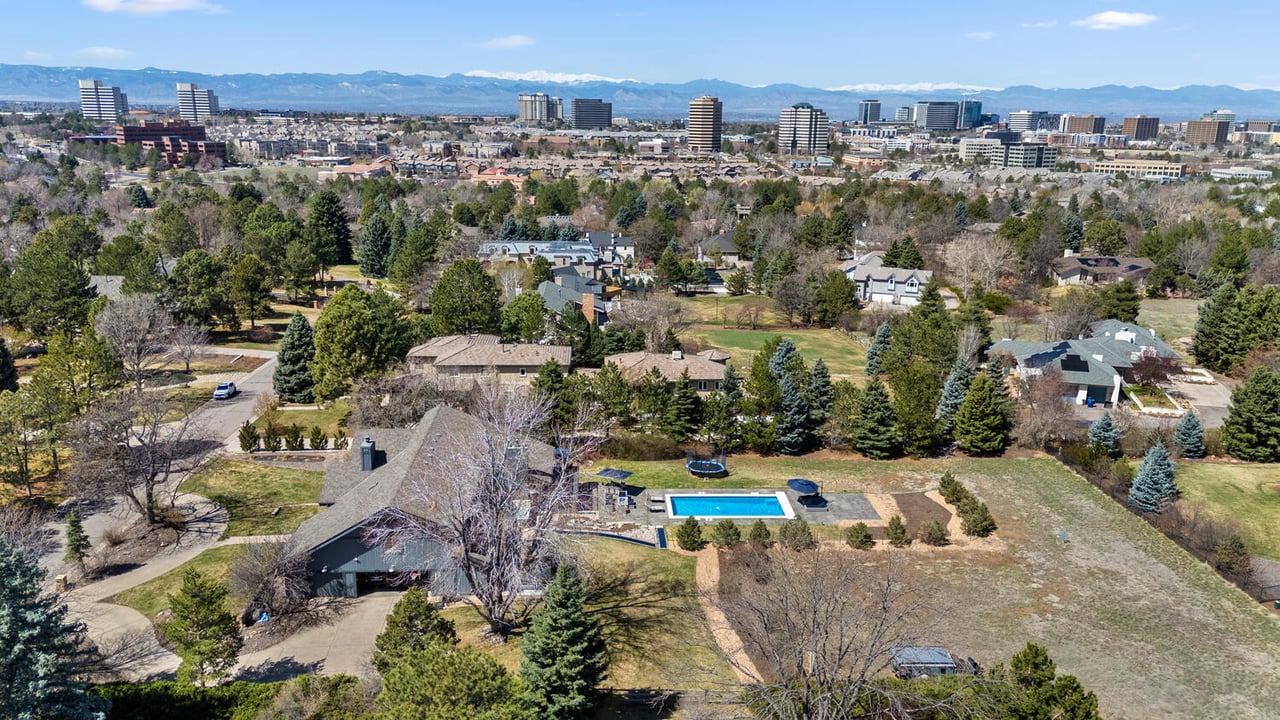
Living on acreage in Colorado is hard to beat. Wide-open space, big sunsets, quiet mornings, and no neighbors a few feet from your kitchen window. It's easy to see why so many buyers want out of a traditional subdivision.
But acreage comes with responsibilities and costs that don't show up on a showing. They show up after you move in.
I'm Allie Yates with The Agency | Denver. I've helped buyers and sellers across the southern Denver suburbs for more than 20 years, and I live on acreage in Parker with my family. I wouldn't trade it. I also wish every buyer knew these seven things before writing an offer.
Prefer to watch? Here's the video version of this guide on YouTube.
1. The quiet is real. So is the drive.
Privacy is the main reason people want acreage. Coffee on the porch without hearing the neighbors. No headlights sweeping across your bedroom wall.
The trade-off is convenience. Groceries, school pickup, appointments, and that forgotten gallon of milk all mean a drive. From my house in Parker, the closest grocery store is about 10 minutes away. Depending on where you buy, yours could be a lot farther.
Before you write an offer, live the routine:
• Drive your commute at the hours you actually work.
• Do the school run at 7:30 in the morning.
• Go to the nearest grocery store on a Saturday.
• Count how many times a week you'll make those trips.
If the drive still feels worth it after that, it probably is.
2. Maintaining land isn't like maintaining a yard
A suburban weekend might mean mowing, trimming a few bushes, and watering. On several acres, the list grows: fencing, weeds, large areas to mow, outbuildings, and more landscaping.
The one that catches buyers off guard is noxious weeds. Colorado law requires landowners to manage designated noxious weeds, so weed control is part of owning the land, not only how it looks.
Most acreage owners end up buying equipment like a heavy-duty mower or a tractor. That equipment needs somewhere to live, so count garage and barn space too. You don't have to do it all yourself. Some owners love working their land. Others hire it out. Either way, know the time and cost before you buy.
3. Snow removal is on you
A fresh snow over the hills east of Parker is beautiful. It's also your job to clear.
Acreage driveways can run hundreds of feet. Ours runs all the way down to the barn. When a big spring storm hits, someone has to clear it before anyone can leave for work or school. That might mean a plow on a truck, a tractor with a blade, or a contractor on call.
The road to your driveway matters too. Some acreage communities have a formal road maintenance agreement that spells out who plows, who repairs, and how costs are split. Others have an informal arrangement or nothing at all.
Ask before you buy:
• Is the road public or private?
• Who handles snow removal?
• Is there a written road maintenance agreement?
• How are costs shared between owners?
You want those answers before closing, not during a March blizzard.
4. Wildlife comes with the view
Out here, deer, foxes, coyotes, and hawks are part of daily life. In warmer months, rattlesnakes can be too.
Watching wildlife cross your property is one of the best parts of living on land. It also means some precautions if you have pets, chickens, livestock, or small kids. Good fencing, secure animal enclosures, and paying attention outside become habits.
For families coming from a city or suburb, it takes some adjusting. It becomes second nature faster than you'd think.
5. Internet can change from one property to the next
This is the one buyers forget to check until they've moved in.
Two homes a mile apart can have very different options. One has fiber. The other relies on satellite or fixed wireless. If you work from home, run a business, or have kids doing schoolwork online, that difference matters.
Before you make an offer:
• Ask the seller who their current provider is.
• Run a speed test on your phone during the showing.
• Call the provider and confirm service at that exact address. Coverage maps aren't always accurate.
6. Insurance and wildfire risk can change your budget
Of all the surprise costs, homeowners insurance deserves the most attention.
Rural homes and homes in wildfire-prone areas can carry much higher premiums than buyers expect. Location, vegetation, and construction materials all play a part. Some carriers have also become more selective about where they'll write policies.
Get a real insurance quote early, ideally before your inspection objection deadline. That premium is part of your monthly payment, and you want the actual number while you still have options.
Defensible space is the area around a home where vegetation and other fuel are managed to reduce wildfire risk. Depending on the property and the carrier, you may be asked about it. A wooded lot can be a beautiful feature. Know what it asks of you before you buy it.
7. The lifestyle is worth the work
After the drives, the mowing, the snow, the snakes, the internet, and the insurance, you might wonder if I'd do it again.
Without a second thought.
Our four kids have grown up out here with room to run, animals to care for, and skies full of stars. The neighbors live farther apart than in a subdivision, but the community is real. They're the ones who show up with a tractor when your driveway is buried.
Acreage isn't for everyone, and that's fine. For buyers who value space and a little more freedom, it's hard to replicate anywhere else. Go in knowing both sides.
What about wells, water rights, and septic?
Many acreage homes in Douglas and Elbert Counties run on a private well and septic system instead of city water and sewer. Well permits, water rights, water production, and septic capacity can vary a lot from one property to the next, and they can decide whether you can keep horses or water a garden at all.
That topic deserves its own guide, and it's coming next. Until then, if you're looking at a property with a well or septic system, call me before you write the offer. I'll tell you what to request from the seller and what to check during inspection.
Acreage or a Parker neighborhood?
Some buyers read a list like this and realize they want space without the upkeep. That's a good outcome. Parker has neighborhoods with bigger lots, trail access, and mountain views that don't come with a tractor. If you're weighing both, my guide to Parker's neighborhoods is a good place to start.
Thinking about acreage in Parker, Franktown, Elizabeth, or Castle Rock?
Buying acreage isn't about finding a bigger lot. It's about picking a way of life that fits your family and your plans. I help buyers see what makes a property beautiful and what to check before they commit. If you're considering acreage, or trying to decide between land and a neighborhood, I'd be glad to talk it through.
Relocating to the area? My free Moving to Parker guide covers every neighborhood, the real monthly costs, schools, and commutes. For more on living south of Denver, subscribe on YouTube.
Allie Yates
Broker Associate, REALTOR® | The Agency | Denver
Call or text: 720.987.6808